

In today’s digital world, every business relies on technology — from daily operations to customer interactions. However, managing IT infrastructure, security, updates, and downtime can be challenging for internal teams. That’s where Managed IT Support Services come in.
With a reliable managed IT partner, businesses can focus on growth while experts handle their network, cybersecurity, software, backups, technical problems, and round-the-clock support.
What Are Managed IT Support Services?
Managed IT Support Services provide businesses with ongoing technical assistance, IT maintenance, cybersecurity support, and monitoring — all managed by external IT experts. Instead of hiring a full in-house IT team, businesses outsource their IT management to a specialized provider.
For more related contents: Managed IT Support Service
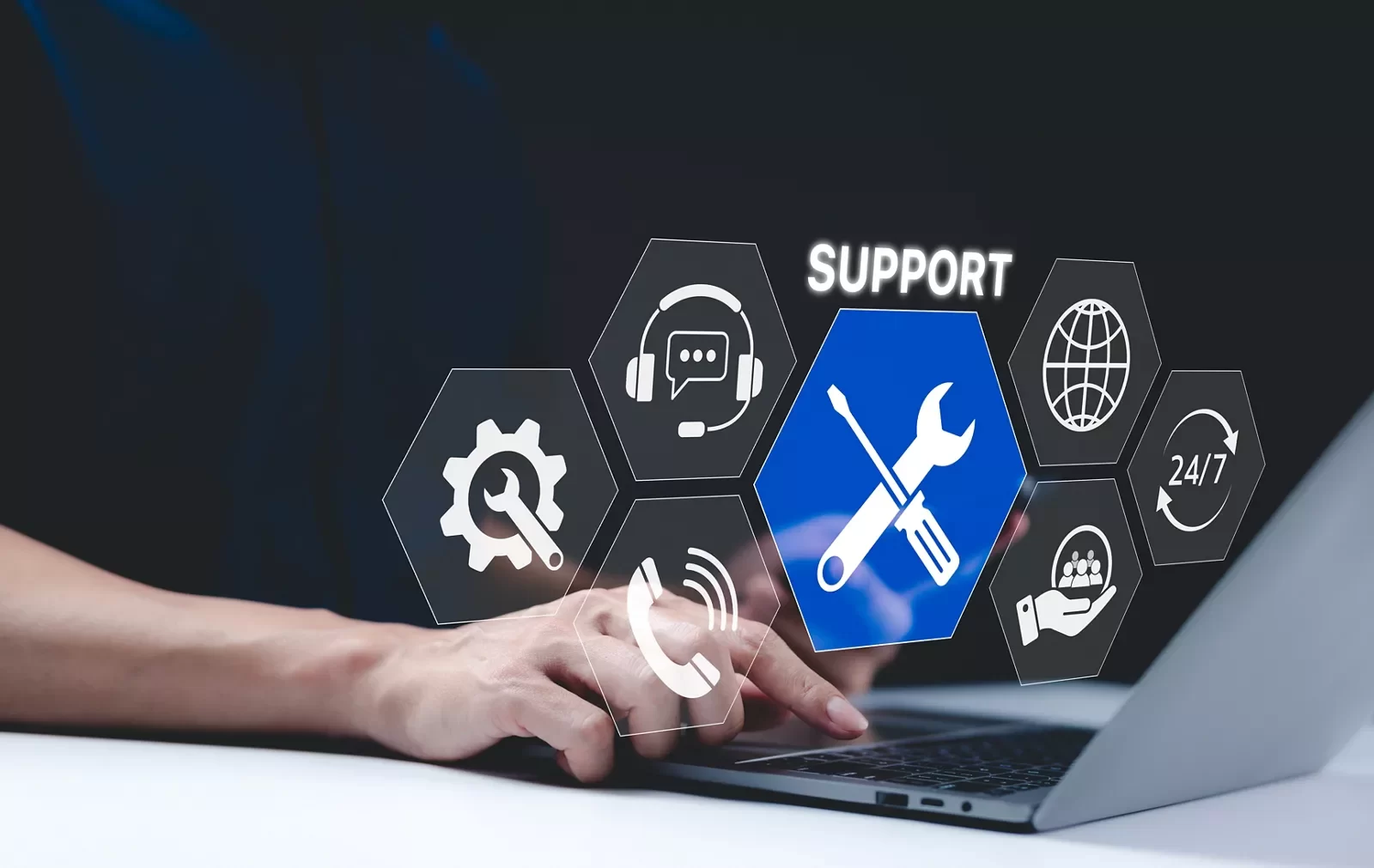
How Managed IT Support Improves Business Efficiency
1. Proactive Monitoring
Issues are detected and resolved before they impact business operations.
2. Better Security
Firewall management, phishing prevention, and data protection keep your business secure.
3. Access to Experts
Get access to certified IT professionals without high hiring costs.
4. Focus on Core Business
Let your internal team focus on strategy — while IT experts handle technology.
5. Customization Based on Business Needs
IT support packages can be tailored to your industry and workflow.
Types of Managed IT Support Services
1. Fully Managed IT Services
This is an end-to-end solution where the provider handles every aspect of your IT — from monitoring and system updates to cybersecurity and user support. It’s ideal for businesses with no internal IT team or those who want full peace of mind.
2. Co-Managed IT Services
In this model, your internal IT team works alongside external experts. It helps businesses who already have IT staff but need additional support, advanced tools, or expert guidance for complex IT challenges.
3. Remote IT Support
Most issues like software errors, login problems, and network issues can be solved remotely. This approach saves time, eliminates travel costs, and ensures faster resolution without waiting for onsite visits.
4. On-Site IT Support
Certain issues like hardware failure, server installation, or local network setup require physical presence. In such cases, IT specialists visit the office to fix issues and optimize infrastructure.
5. Managed Cybersecurity Services
With cyberattacks rising daily, businesses need strong protection. Managed IT providers offer firewalls, identity management, anti-ransomware tools, and real-time threat detection to keep your data and systems secure.
Future of Managed IT Support
The next era of IT support will include:
- AI-based threat detection
- Automation of ticket resolution
- Remote work optimization tools
- Advanced cloud migrations
- Zero-trust cybersecurity models
FAQs
1. What is managed IT support?
It is a service where IT experts manage, monitor, and maintain your systems, network, and cybersecurity.
2. Is it suitable for small businesses?
Yes! Managed IT support helps startups and SMBs access affordable, professional IT services without hiring full-time staff.
3. How is it different from traditional IT services?
Traditional IT is reactive, whereas managed IT provides proactive monitoring and continuous support.
4. Can it help prevent cyberattacks?
Yes. Managed IT providers offer firewall management, threat detection, and cybersecurity monitoring.
5. Is remote support available 24/7?
Most service providers offer round-the-clock support via email, call, chat, or remote desktop access.
Conclusion
Managed IT Support Services help businesses reduce costs, improve security, and maintain reliable technology performance — without hiring a large IT team. With expert monitoring and fast troubleshooting, your business stays secure, productive, and future-ready.
📞 Looking for reliable IT support for your business? Contact us today!


